

Iran was reported flying at least five fighter jets around the country this week – aircraft that were assumed destroyed – launching them from underground mountain bases that survived weeks of US and Israeli bombardment.
The flights come as the Strait of Hormuz has been effectively reopened after weeks of commercial shipping paralysis. Approximately 150 vessels had been anchored outside the strait while insurers cancelled war risk coverage.
Iran’s underground air force base, codenamed Eagle 44 (Oghab 44), was built beneath a mountain ridge in Hormozgan Province, roughly 100 miles north of the Strait. While satellite images published by the New York Times showed craters near tunnel entrances and damage to access roads, the deeper tunnel infrastructure – and the aircraft inside – appear to have survived.
What made the deception particularly effective was Iran’s pre-war preparation. Military analysts noted that Iran had painted aircraft silhouettes on tarmac surfaces with reflective material, creating convincing decoys visible to satellite reconnaissance. After sustaining damage in earlier Israeli strikes in 2024, Iranian military planners dispersed and buried critical assets underground – a strategy that appears to have paid off.
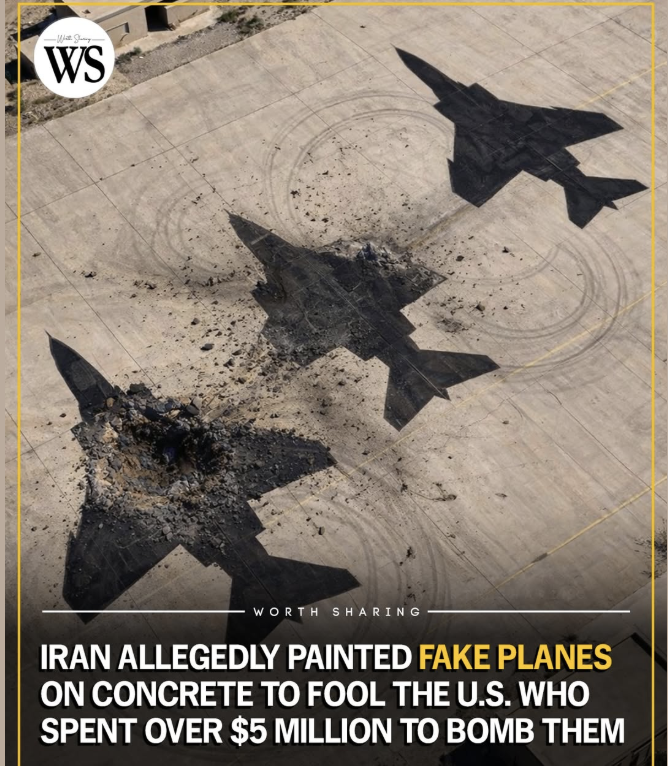
The emergence of operational fighter jets from bases the US believed it had neutralized raises uncomfortable questions about the effectiveness of the air campaign – and about what else Iran managed to protect beneath the mountains.