
The ceasefire holds — barely. Days into what was supposed to be a pause in the most destructive conflict in the Middle East since Iraq, Iran has temporarily halted oil flow through the Strait of Hormuz while Israel has launched strikes on Lebanon. The truce that was meant to bring relief is instead becoming the backdrop for new provocations that test whether the agreement is worth the paper it was written on.
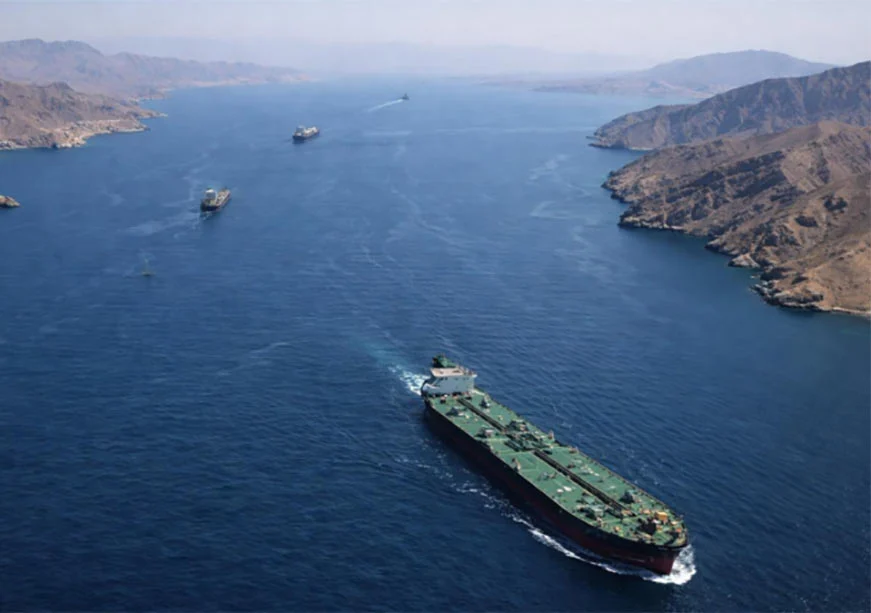
Iran’s decision to restrict Hormuz transit — even temporarily — sends a calibrated message. The strait remains Iran’s most powerful leverage. Closing it does not violate a ceasefire with the United States and Israel directly, but it reminds every nation dependent on Gulf oil that Iran’s capacity to disrupt the global economy is intact and deployable at will. Roughly 20 percent of the world’s daily oil supply transits through Hormuz. Even a temporary restriction sends shockwaves through energy markets already rattled by six weeks of war.
Israel’s strikes on Lebanon raise a different question. The ceasefire, as reported by CNN, applies to the US-Iran conflict. Whether it extends to Israel’s operations against Hezbollah in Lebanon is unclear — and that ambiguity may be deliberate. Israel has used every previous pause in regional hostilities to advance its own objectives in adjacent theaters. The pattern is documented and consistent.
Related: NewsRescue — Israel Strikes Railways, Bridges, Highways Across Iran
The truce itself was hard-won. Mediated through Egyptian, Pakistani, and Turkish channels, it came after six weeks that produced over 2,076 Iranian civilian deaths, the destruction of bridges, railways, highways, and energy infrastructure across Iran, the assassination of a senior intelligence commander, and a US rescue operation requiring 155 aircraft to extract a single downed pilot, which Iran claims was a failed attempt to make a grab at Iran’s concentrated Uranium stockpile.
The human and material cost on both sides created the political pressure necessary for both Washington and Tehran to accept a pause — however fragile.
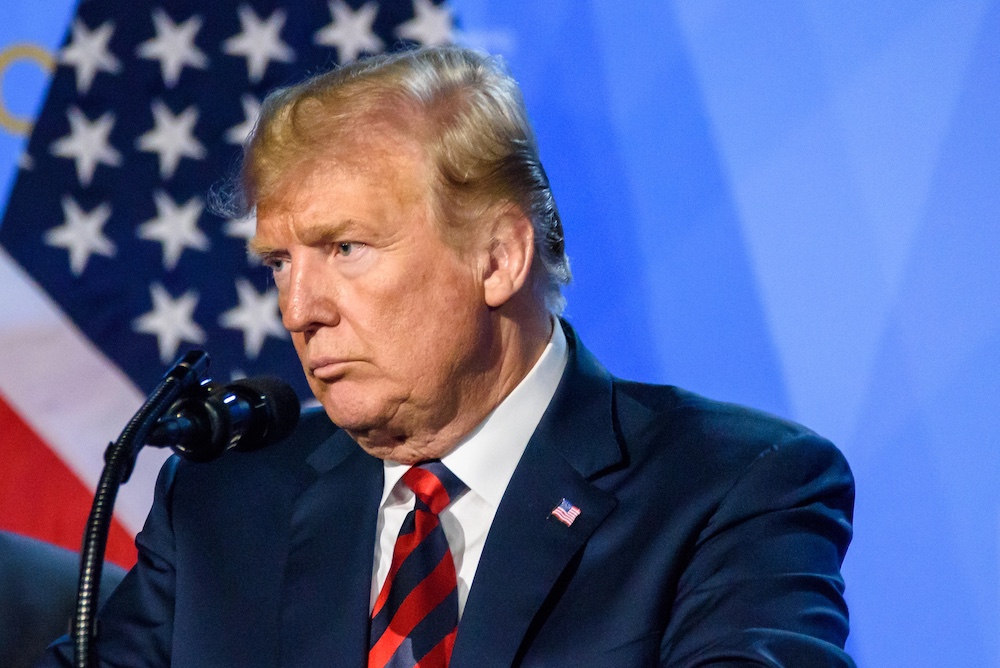
Trump framed the ceasefire as a victory. Iran framed it as validation of its resilience. Both framings serve domestic audiences. The substance of the agreement — its terms, its duration, its enforcement mechanisms — remains largely opaque. What is visible is that within days of its announcement, both sides are testing its boundaries.
Iran tests it through economic leverage — the Hormuz restriction. Israel tests it through military action — strikes on Lebanon. The United States, as the guarantor of the ceasefire on the Western side, faces the question of whether Israeli operations in Lebanon constitute a violation of the spirit of the agreement, even if not its letter.
Related: NewsRescue — Trump’s “Civilization Will Die Tonight” Post Before the Truce
For the 20,000 civilian sailors still stranded in the Gulf, the truce was supposed to mean safe passage. The Hormuz restriction — even temporary — suggests that safety remains conditional. For the nations whose economies buckled under $135 oil and disrupted supply chains, the truce was supposed to mean stabilization. The restriction suggests that stabilization, too, is conditional.
Ceasefires in the Middle East have a documented history. They hold until they don’t. The variables that determine their durability are not the text of the agreements but the calculations of the parties — whether the cost of resuming hostilities exceeds the cost of restraint. Both sides are currently calculating. The Hormuz restriction and the Lebanon strikes are data points in that calculation, not violations of it — yet.
The truce holds. For now. The question is not whether it will be tested but whether the tests will accumulate to the point where the agreement collapses under the weight of its own ambiguity.