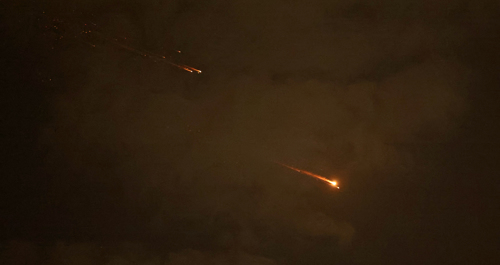
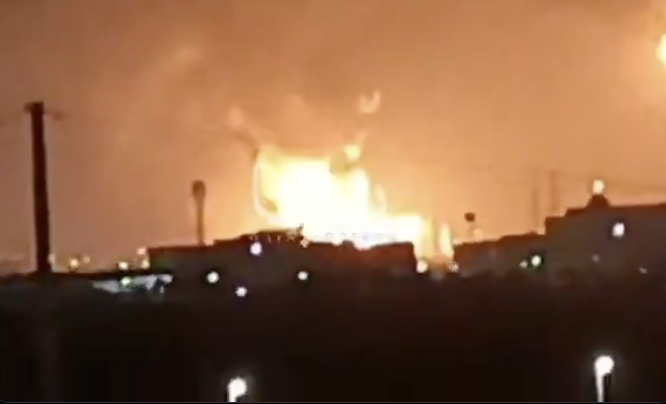

The US-Israeli war on Iran has crossed another threshold. Israel has assassinated Major General Majid Khademi, described as a senior Iranian intelligence commander, in what Israeli Defense Minister Israel Katz framed as the beginning of a campaign to target Iranian leadership “one by one.” The strike coincided with an Israeli attack on Iran’s largest petrochemical facility in the South Pars natural gas field — the backbone of Iran’s energy economy.
In the same 24-hour period, a key Saudi oil hub came under attack. Riyadh has not confirmed the scale of damage, but multiple videos shared by pro-Iranian sources show explosions and fires at the facility. At least 15 American troops were injured in an Iranian drone strike on the Ali Al Salem air base in Kuwait — a GCC nation that Iran accuses of housing US military bases used in attacks against it.
The numbers tell their own story. Iran’s Health Ministry reports at least 2,076 people killed since February 28, including 240 women and 212 children, with more than 26,500 injured. These are official figures from a nation under bombardment — the actual toll is almost certainly higher.
Tehran has rejected a US ceasefire proposal circulated through Egyptian, Pakistani, and Turkish mediators. Instead, Iran has offered its own 10-clause plan — the details of which have not been made public but which reportedly includes demands for immediate cessation of hostilities and international guarantees against future strikes.
Related: NewsRescue — Trump Escalates, Iran Says Delusional Threats Won’t Hide Humiliation
The assassination of an intelligence chief is a deliberate escalation beyond infrastructure destruction. Killing military leadership — as distinct from degrading military capability — is a signal that the objective has shifted from deterrence to decapitation. When a defense minister publicly announces that enemy leaders will be hunted “one by one,” the war has entered a phase that historically produces unpredictable retaliation.
The attack on South Pars is equally significant. The natural gas field accounts for a substantial portion of Iran’s export revenue and domestic energy supply. Targeting it damages not just military capability but the civilian economy that sustains 88 million people through a war they did not choose.
Meanwhile, the war continues to spread beyond Iran’s borders. Saudi Arabia — the region’s largest economy and a nation that has carefully maintained distance from the conflict — now has a burning oil facility. Kuwait has injured American troops on its soil. The Strait of Hormuz remains blocked. Mediators from three countries are pushing for a 45-day truce that neither side appears willing to accept.
Related: NewsRescue — Drone Hits Kuwaiti Oil Refinery as Iran War Spreads to Gulf States
The trajectory is clear and accelerating. Infrastructure destruction has given way to targeted assassinations. Regional containment has given way to strikes on Saudi and Kuwaiti facilities. Diplomatic channels exist but neither side is engaging them with the seriousness that 2,076 dead civilians would seem to demand.
Two thousand and seventy-six people. Two hundred and twelve children. And the defense minister promises to hunt the survivors’ commanders one by one. The historical record of where this kind of escalation leads is not ambiguous. It leads to more.