

by Olu Onemola and Catherine Sutherland,
“One thing that is clear it that when we provide a platform for youth participation in public life, the positive possibilities are endless. This is due to the energy, innovativeness, and diversity in thoughts and approach that young people bring to the table.”
Following the inauguration of the 8th Senate, it was clear that working to make a better Nigeria would mean shining the light on segments of the population that have yet to be carried along in our national development journey. It would also mean taking a closer look at how different groups of people have benefitted or not benefitted from the socio-economic dividends of Nigeria’s past economic growth.
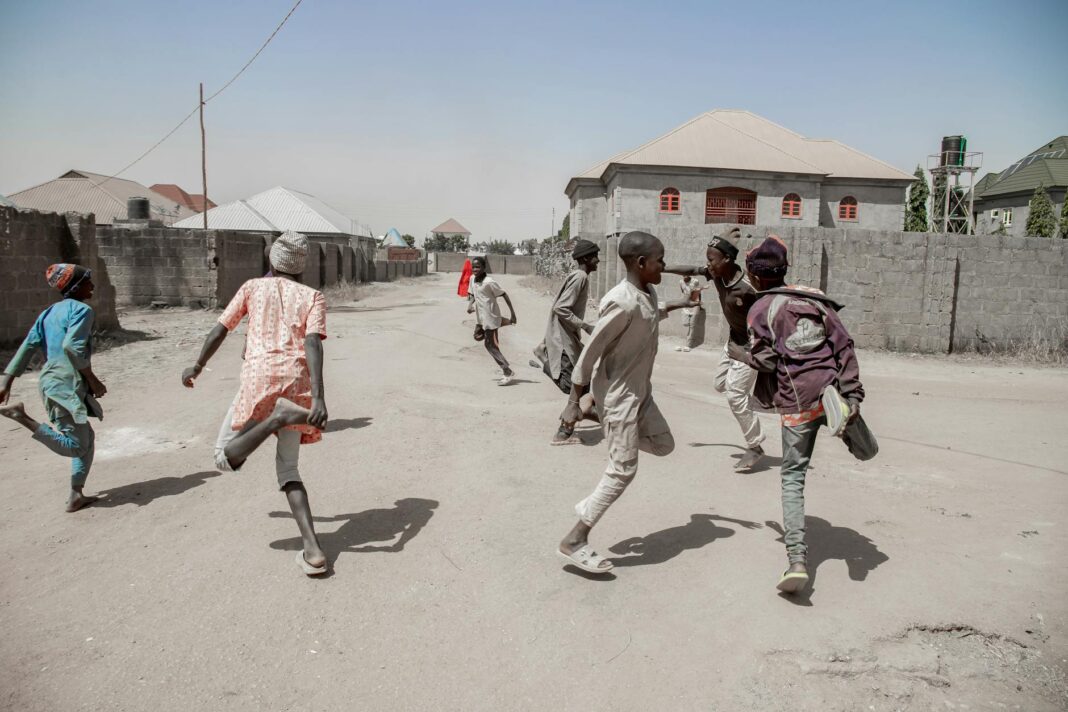
A glaring underserved population in our society are our youth. Over the years, the ripple effect of their lack of inclusion has prevented this otherwise powerful group from playing their rightful role in the evolution of Nigerian society. The onset of declining economic growth and this year’s recession has only amplified the hardship being felt by Nigerians across the board. In turn, the youth have been some of the hardest hit, in need of urgent attention.
Overall, Nigeria’s unemployment rate was recorded at 13.3 percent in the second quarter of 2016 according to the National Bureau of Statistics (NBS). That figure is up from 12.1 percent in the first quarter of the year, meaning that we have reached the highest recorded unemployment rate since 2009. NBS has also reported that the underemployment rate was recorded at 19.3 percent as of August 2016. In view of this, it was estimated that 26.06 million persons in the Nigerian labour force were either unemployed or underemployed as of the second quarter in this year.
Youth between the ages of 15 to 34 especially have poor job prospects and low employment rates. The unemployment rate was highest for those within the ages of 15-24; 24.0 percent in Q2 2016. That is nearly 1 out of every 5 youth falling within that age bracket, capable of and actively seeking work but being unable, for one reason or another, to access decent employment. As a result, their life choices are significantly limited, and they are increasingly exposed to a number of vulnerabilities and threats. It is disheartening.
We must ask ourselves why this is happening. Despite the personal and financial investment that goes into obtaining an education or vocational skills, it is shameful that such efforts are undervalued in the next stages of one’s life due to a socio-economic, political and cultural structure that fails to guarantee inclusion and participation. Nonetheless, understanding the problem is the first step to finding the right solution. What can we do to change it? If we look at the NBS projections for Nigeria over the next few months, without any drastic interventions, our economy is expected to contract by another 1.7 percent. This is further compounded by domestic inflation rising to 18.3 percent. This basically means that there is less money in circulation around the country, yet the cost of everyday goods and services has gone up.
With the aforementioned in perspective, policy-makers in both the private and public sectors must both acknowledge and take advantage of the fact that due to their sheer numbers, our young people can serve as our human resource base for the reorientation of our economy. However, if they are neglected and not provided opportunities to be productive, these same young people can exacerbate social tensions in their communities.
As we work to define a new and more sustainable economy, we must make a thorough multi-sectoral examination to take stock of how we are responding to the aspirations of young Nigerians. This analysis must be undertaken with the objective of weaving youth involvement into the national development framework.
Hence, we must adopt a youth-inclusive approach that involves assessing the various implications for young people for policy actions. This approach would allow us to ensure that young people have access to opportunities and benefits from the interventions undertaken by the government to end the recession and build a more efficient economy.
The good news is that we are on track. Over the past few months, the Senate has responded to Nigeria’s economic contraction with a 21-point plan that includes 11 priority bills that are aimed at restructuring different sectors of the economy. These bills have been drafted with the intention of redirecting the economy to promote greater private sector participation and job creation activities to benefit all Nigerians. Legislation such as the Company and Allied Matters Act (CAMA) will make it easier for our youth to transition into the formal sector. Others like the Federal Competition Bill will help stimulate entrepreneurship amongst our youth — by putting in place parameters that guarantee a level-playing field for all participants in Nigeria’s various markets.
In the same vein, with the Senate’s passage of an amendment to the Public Procurement Act, government ministries, departments and agencies will be made to give first-option priority to local businesses. When this Bill is finally signed into law, more young Nigerian business-owners will benefit from the government’s procurement – worth upwards of N2 trillion.
One thing that is clear it that when we provide a platform for youth participation in public life, the positive possibilities are endless. This is due to the energy, innovativeness, and diversity in thoughts and approach that young people bring to the table.
Youth economic inclusion means bringing our youth back from the margins of society by incorporating their perspectives into policy designs; tapping into their command of new technologies to create new industry sector and jobs; and providing them with the training, skills acquisition and empowerment programs that they need to become self-sufficient and successful small business owners in the absence of government and private sector jobs.
We believe Nigerian leaders at all levels should spearhead this effort. This past month, in Kwara State, the Senate President inaugurated a job creation program that is aimed at putting a massive dent in the state’s unemployment rate, with a focus on the youth. This programme aims to create 40,000 new jobs in the state by 2018. Aptly titled the Skills Acquisition, Training and Empowerment Programme, STEP adopts a pay-it-forward approach that helps to engender a self-sufficient, entrepreneurial generation that will go on to become employers of labour in the near future. “Give a man a fish and you feed him for a day; teach a man how to fish, and you feed him for a lifetime”.
Moving forward, with limited jobs available in both the private and public sectors, Nigeria must recalibrate its perspective on how it wants its young people to participate in its development. As we work to turn the economy around, we cannot afford to continue with “business as usual” practices. Instead we need to adopt transformative and unorthodox approaches to the status quo. Doing this is not only necessary to get out of the recession, it is imperative.
– Onemola (@OnemolaOlu) and Sutherland (@co_sutherland) are Senior Legislative Aides of the Senate President.