
The United States and Israel are actively preparing for a renewed military assault on Iran, with strikes possible as early as next week, according to a New York Times report citing unnamed Middle East and U.S. officials.
The reporting lands six weeks after the April 2026 ceasefire that ended the most intense phase of the February-to-April war on Iran — and amid a complete breakdown in indirect U.S.-Iran negotiations.
Talks dead, ceasefire crumbling
Indirect negotiations between Iran and the Trump White House have been stalled since the April ceasefire. Each side has dismissed the other’s terms as unrealistic. Washington insists Iran is in the weaker position; Tehran says the same of Washington. Neither has moved.
President Trump has repeatedly threatened to restart strikes, calling Iran’s negotiating posture a “piece of garbage” and “unbelievably weak.” Two senior Middle East officials told the NYT that preparations for renewed action have accelerated significantly in recent days.
What’s on the target list
According to the NYT’s sources, the options being staged include:
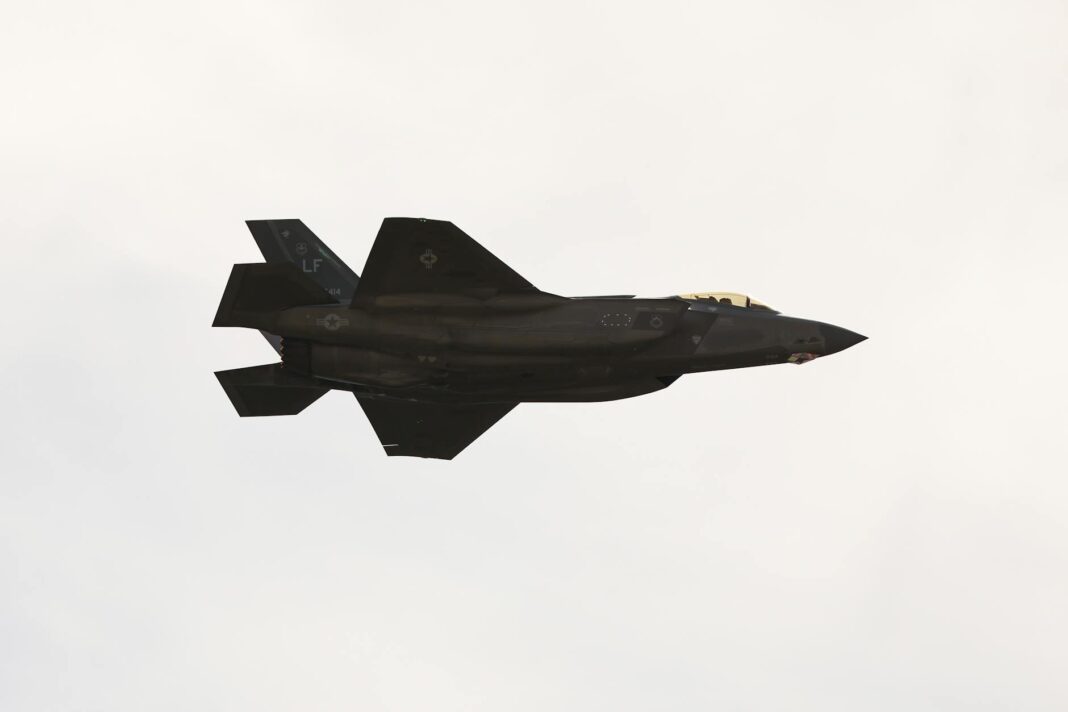
- “More aggressive bombing runs” against Iranian military targets and infrastructure
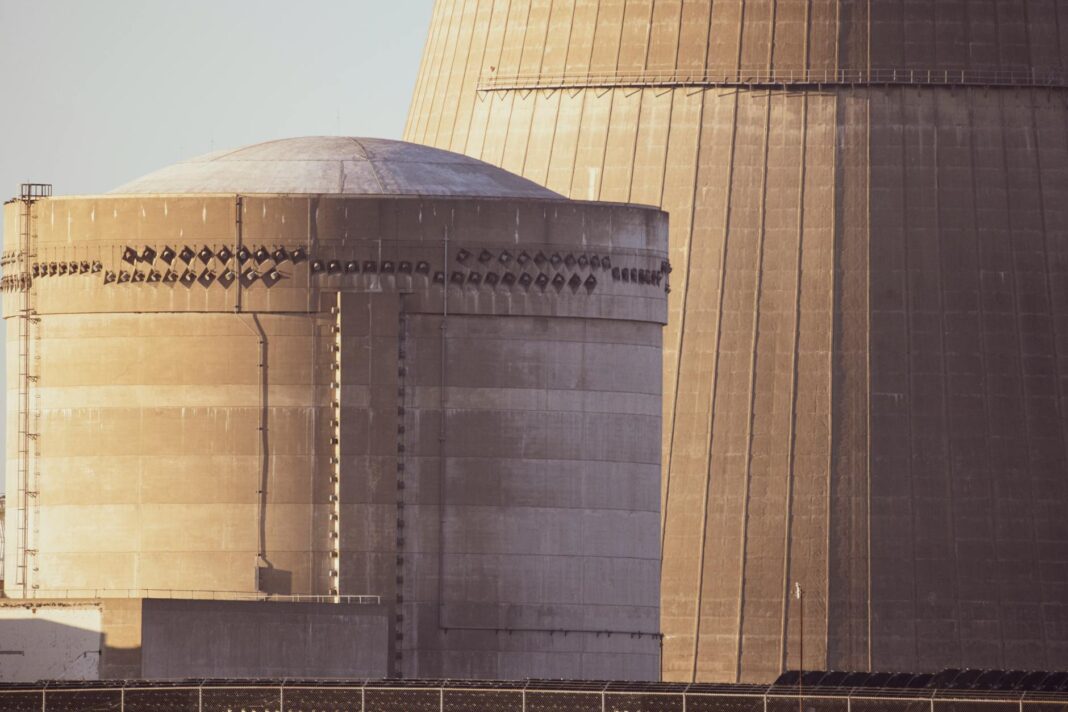
- A raid to seize Iran’s enriched uranium stockpile, which has been moved deep underground following the June 2025 U.S. bombing of declared Iranian nuclear sites
The second option is the more provocative — a physical incursion onto Iranian soil to physically remove uranium would amount to a ground operation, not the standoff air-and-missile campaign of the first war.
Hormuz still choking world oil
The Strait of Hormuz remains contested. Disruptions are still causing global oil shortages and shipping diversions. Iran has proposed its own maritime traffic management framework for the strait; Washington has rejected the proposal while continuing to enforce a naval blockade on Iranian ports.
That blockade — quietly maintained since the ceasefire — is itself an act of war under classical international law. Iran’s foreign ministry has noted this without escalating, framing the country as still committed to a diplomatic outcome while warning it is ready to respond.
“We have every reason not to trust the Americans. There is no military solution, and the U.S. must understand this reality.”
— Iranian Foreign Minister Abbas Araghchi
What “next week” really means
NYT-style leaks of an imminent strike are almost always either (a) a signal designed to extract a last-minute concession in stalled talks, or (b) the genuine article. The pattern of the last two months — stalled talks, ceasefire violations on both sides, a sustained blockade, and Trump’s escalating personal language — points toward the latter.
If the second war starts next week, it begins from a tactical posture worse for the U.S. than the first did: depleted stockpiles of Tomahawks, ATACMS, SM-3, THAAD, and Patriot rounds that, by the Pentagon’s own admission, will take years to replenish.
Source: RT.com / The New York Times